 Damp and mould
Awaab’s Law for private landlords: where it stands in 2026
Awaab's Law applies to social landlords in England today. The extension to private tenancies is out for consultation until 18 December 2026. Here is what private landlords must already do.
The independent guide for private landlords
Every check your rental needs, and nothing it doesn’t.
Gas, electrics, energy, fire, water, asbestos, damp. Tell us about your let and see the safety checks the law asks of you, how often, and who is allowed to do them.

The seven duties
One guide per obligation: the rule, the deadline, the published price and the register to check before you book.
-
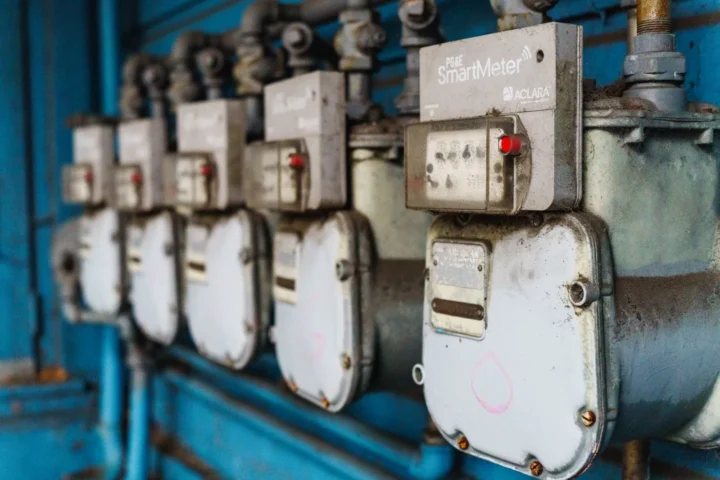 Gas safety
The annual check, the record your tenants must receive, and what it costs.
Every 12 months
-
 Electrical safety
The five-yearly EICR, its codes, the 28-day repair rule and the £40,000 fine.
At least every five years
-
 Energy Performance Certificates
The E minimum, exemptions, and where the 2030 band C plan really stands.
Valid for ten years
-
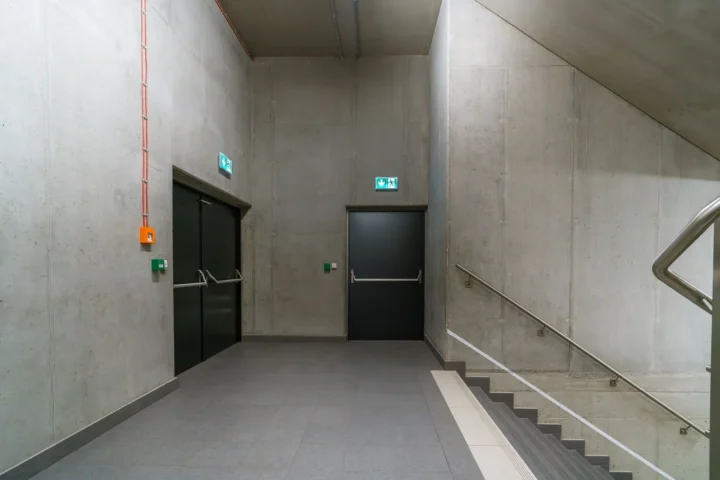 Fire safety
Alarms in every let, fire risk assessments for flats and HMOs, fire doors.
Alarms each tenancy, assessments kept under review
-
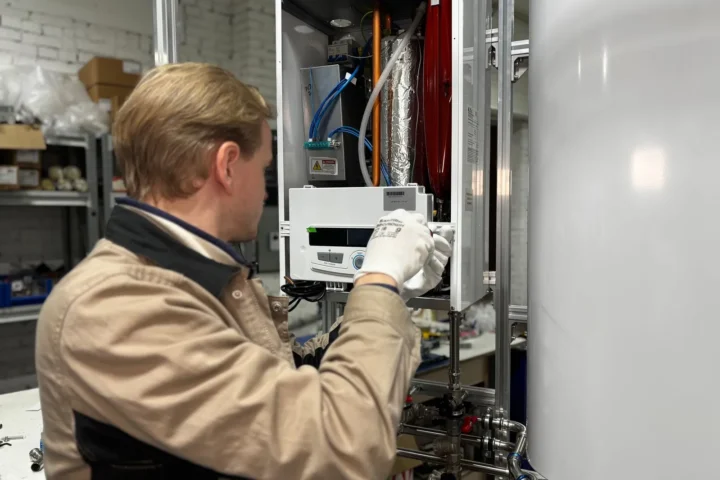 Legionella
A short risk assessment most landlords can do themselves. No certificate needed.
Review when anything changes
-
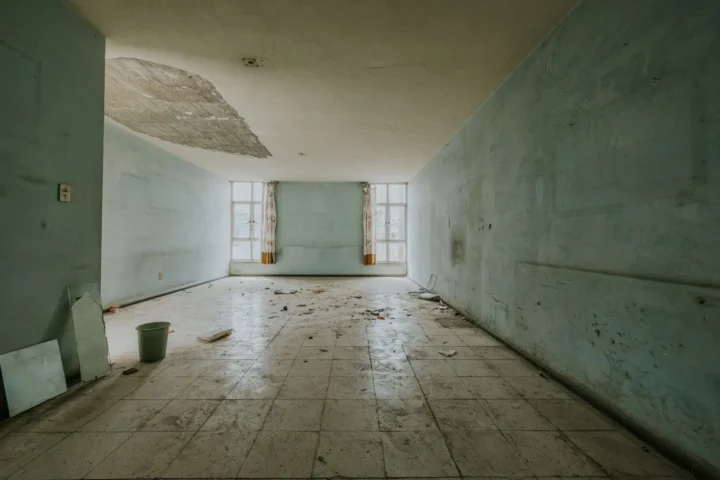 Asbestos
When a survey is a legal duty, which type you need and what it costs.
Pre-2000 buildings and before works
-
 Damp and mould
What the law asks today, and how Awaab's Law is reaching private lets.
Act on every report
-
Not sure which apply?
Answer one sentence about your let and get your own checklist.
Open the checker
The dates that matter
What changed for landlords in England in 2025 and 2026, and what is planned, from the official notices.
Awaab’s Law starts for social housing. Private landlords are not covered yet; a consultation closes on 18 December 2026.
The maximum fine for breaking the electrical safety rules rises to £40,000.
Section 21 is abolished and tenancies become periodic. The How to Rent guide gives way to a government information sheet.
The landlord database opens region by region: £65 per property a year, with gas, electrical and EPC documents to upload.
Planned: EPC band C for every tenancy. Government policy, not yet law.
Latest guides
Written from the regulations and the price lists providers publish. Never from quotes we pretend to have collected.
Damp and mould
Awaab’s Law for private landlords: where it stands in 2026
Awaab's Law applies to social landlords in England today. The extension to private tenancies is out for consultation until 18 December 2026. Here is what private landlords must already do.
 Legionella
 risk assessment for landlords: what the law requires
 Fire safety
Fire risk assessment cost for UK landlords: 2026 price guide
 Electrical safety
EICR certificate cost in the UK: what landlords pay in 2026
 Asbestos
 survey cost in the UK: what landlords pay in 2026
Coming next: Types of asbestos survey: management vs refurbishment (2 Nov) · Landlord gas safety certificate cost: what you pay in 2026 (4 Nov) · Do landlords need a fire risk assessment? Who must have one (6 Nov)
Sourced from the law itself
Every rule links to legislation.gov.uk, GOV.UK or the HSE, with the date we last checked it.
Prices we can show you
Ranges come from price lists providers publish, named by type and month. Never invented.
Registered people only
For each check, the official register to verify before anyone sets foot in your property.
Questions landlords ask
What certificates does a landlord legally need in England?
For most lets: a gas safety record every 12 months if there is any gas appliance, an electrical installation condition report (EICR) at least every five years, a valid Energy Performance Certificate, and working smoke alarms on every storey with carbon monoxide alarms where there is a fixed combustion appliance. A legionella risk assessment is also expected. Flats with common parts and HMOs add a fire risk assessment, and pre-2000 buildings with common parts add the duty to manage asbestos.
How often do landlord safety checks have to be renewed?
The gas safety check is annual. The EICR is needed at least every five years, or sooner if the electrician says so. An EPC is valid for ten years. Alarms must be checked on the first day of each new tenancy. Fire risk assessments and legionella risk assessments have no fixed expiry date but must be kept under review and redone when something changes.
Is a legionella certificate a legal requirement?
No. The Health and Safety Executive says landlords must assess and control the risk from legionella, but there is no requirement for a certificate or for routine water testing in most homes. A landlord who understands the water system can carry out the assessment themselves.
Do these rules apply in Scotland, Wales and Northern Ireland?
Partly. Gas safety rules apply across Great Britain and Northern Ireland has equivalent gas regulations. Electrical checks, alarms and licensing are set separately in each nation, and some deadlines differ. The checker flags the duties where your nation has its own rules, and each guide has a section on the differences.